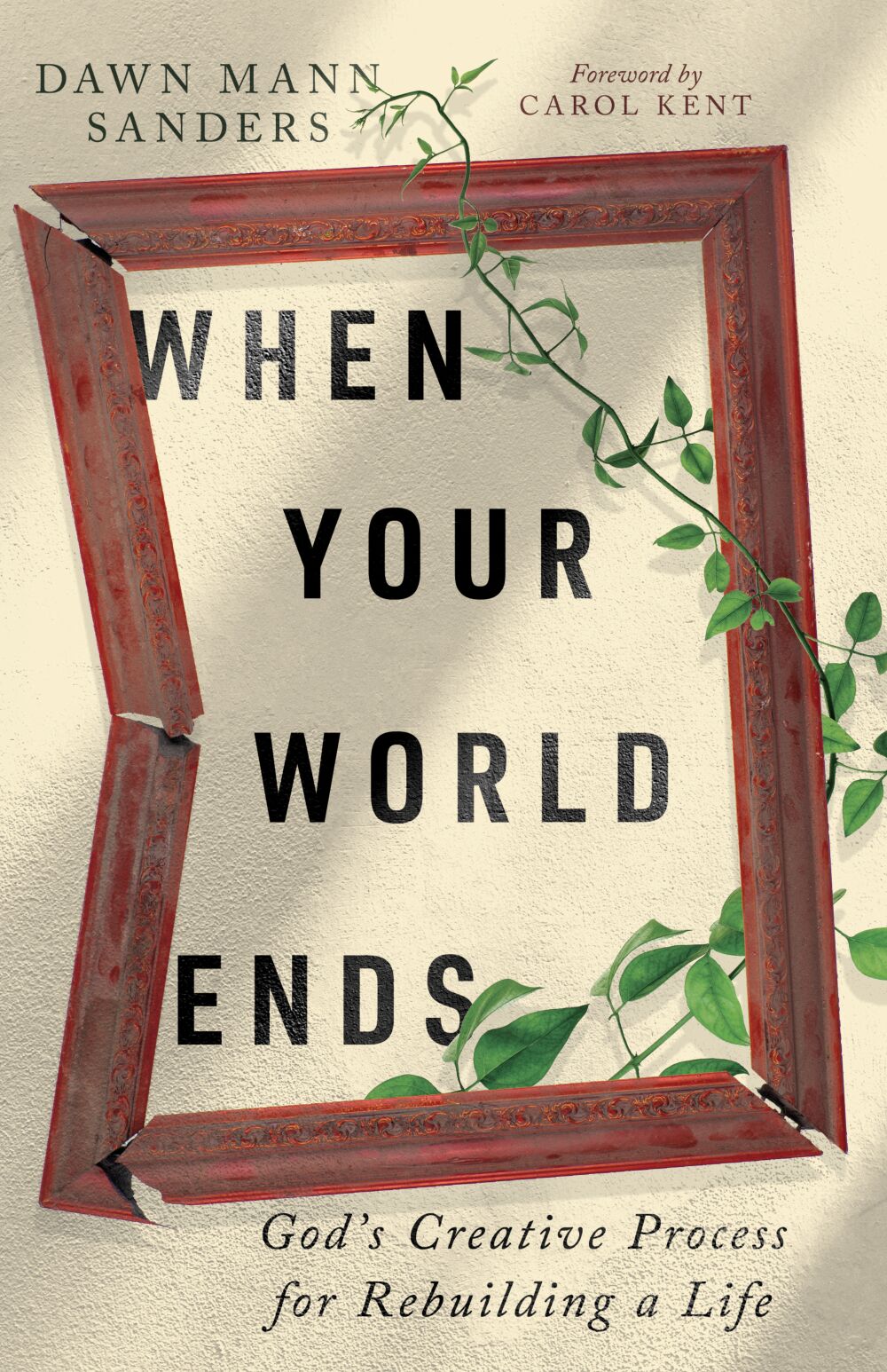

You’re still dragging, even though technically you slept. Your stomach won’t settle, although you ate. Your chest feels tight, though you can breathe just fine. Your mind is foggy, except for the flood of memories—little flashes of hospital rooms, unanswered calls, holidays that don’t look the same. You’re not sad exactly—but something’s definitely wrong.
You’re not “being dramatic.” This is grief in the body.
Long before we find the words for what we’ve lost, our bodies start preaching a sermon we’d rather not hear: clenched jaws, persistent headaches, a tiredness that coffee can’t touch. Maybe no one died. Maybe it was a job that disappeared, a relationship that crumbled, a future that quietly closed its door.
Losses like these don’t come with caskets or condolence cards. But your body doesn’t need a death certificate to start mourning. It registers the weight of what’s gone—even when your mind is still scrambling to catch up. It’s not betrayal—it’s truth. For those taught to “stay strong,” listening to that truth isn’t weakness—it’s where healing begins.