
You still show up, but the fire’s gone.
Maybe you still teach and still write, but the spark that once energized you is gone. I know that place. After my husband, Reggie, died, I kept teaching. I prepared, and I stood up. I gave people what I knew God had asked me to give. But much of the passion that once powered the work had gone quiet. I moved in obedience, but emotionally and spiritually, I still stood in the shadow.
Then, at a retreat a couple of years later, I sensed God say, “It’s time for you to come out of the shadow.” My eyes filled with tears.
Maybe you’ve typed it into a search bar: “How do I know what God wants me to do?” Genesis 1 points the way.
It starts with light.
Living in the Shadow
Psalm 23:4 calls it “the valley of the shadow of death.” After Reggie died, that language became more than poetry to me. His absence had gotten between the light and me. I could still function. I could still teach. But so much of what had once felt bright now felt muted.
A shadow can make everything in front of you harder to see. It can make you question whether you still have anything to offer or whether God has more for you to do.
But a shadow also tells you something. Light has to be nearby for it to exist. I may have been in the shadow, but thankfully the light wasn’t far.
You may be living there too. The loss is real. The answers may still be incomplete. But the shadow doesn’t have the final word about what you can see next.
If loss or disappointment has blocked your view, the light is still there. Something has come between you and it.
Why Moving Forward Can Feel Scary After a Hard Season
One surprise of rebuilding is that you can pray for change and still feel nervous when it arrives.
Hard seasons teach us things we never intended to learn. An open door may not feel exciting at first.
After enough disruption and disappointment, protecting what remains can become second nature. Loss can make another risk feel expensive—a new opportunity can feel like one more thing you might lose. If you’ve been caregiving, you may have learned to plan around everyone else’s needs until your own plans feel selfish or impossible. And burnout can make even a good invitation feel like another demand on a soul that’s already running low.
So when God shines light on what’s next—an idea, an invitation, a desire you thought had disappeared—part of you leans in, and the other part braces. That hesitation doesn’t automatically tell you whether the opportunity is right or wrong. It may simply mean you’ve lived through something.
If you’ve led and written and built things before, this hesitation can feel unfamiliar. Learning how to know what God wants you to do includes bringing both the opportunity and your hesitation into the light. You don’t have to manufacture excitement before you can begin discerning what God is showing you.
What Genesis 1:3 Shows About Knowing What God Wants Me to Do
"After the Spirit hovered over the dark, empty earth, God spoke: "Then God said, 'Let there be light'; and there was light"
~Genesis 1:3 (NKJV)
A few verses further, something stands out. The sun, moon, and stars don’t appear until verses 14–19. So where did this first light come from? At that point, only God and the light existed. The light in Genesis 1:3 didn’t depend on the kind of light we usually associate with daylight. Its source was God.
With light came the ability to see. In Scripture, seeing often means understanding. When God spoke light into being, He revealed His will. The universe moved from not knowing what God wanted to knowing it.
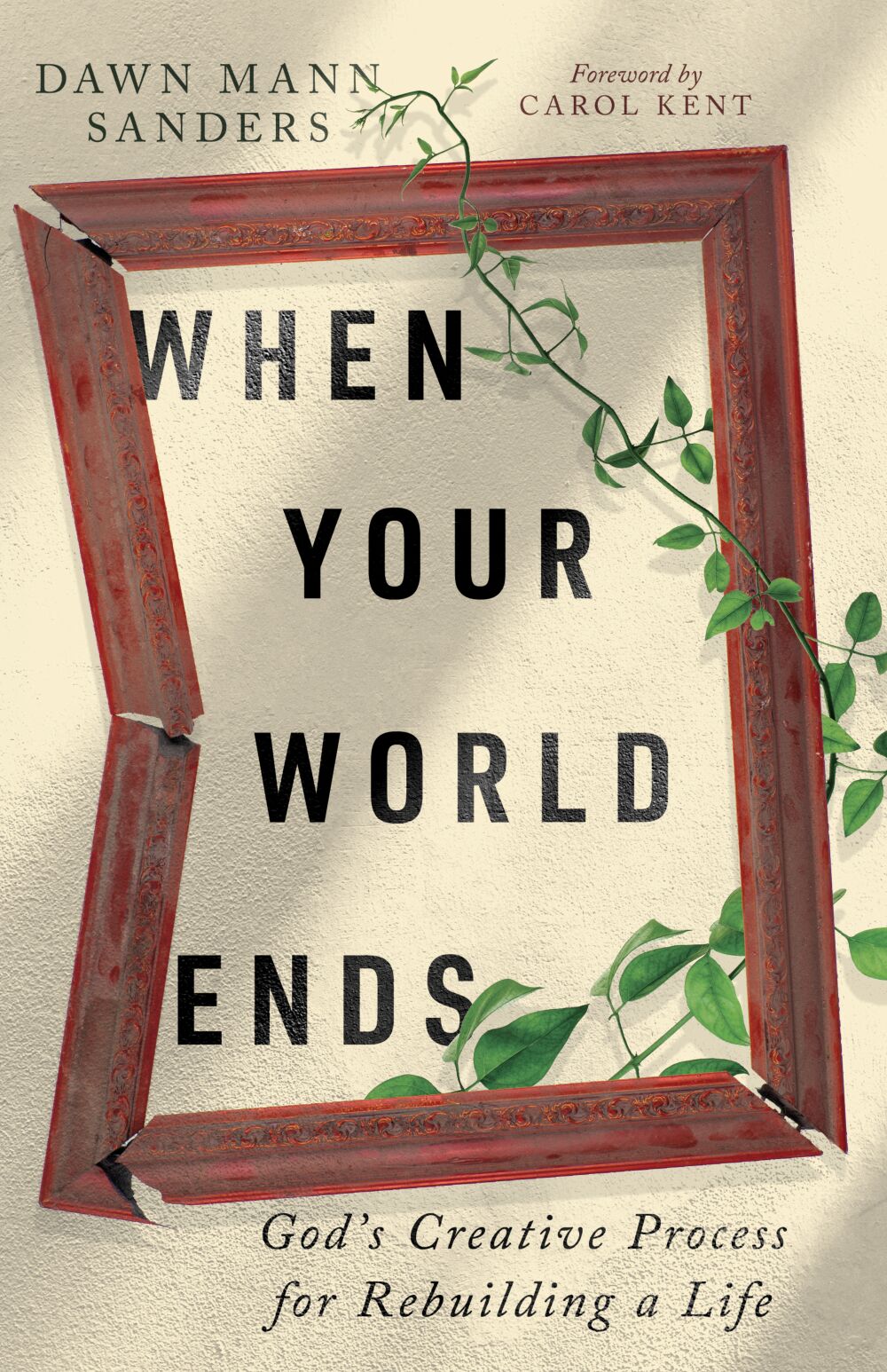
Light does more than brighten a room. Light lets you see what’s already there. It helps you recognize shape, distance, direction, and possibility. In When Your World Ends, I put it this way: “Simply put, God no longer wants us to be in the dark about what we’re to create.”
That matters if you’ve been sitting in the shadow, wondering whether you’ve missed your next step. Sometimes you wait for every practical answer before you move forward: the complete plan, enough energy, a clear outcome, or the return of the passion you once had. But God’s first light didn’t depend on visible sources.
He brought “light into darkness before the rest of creation took shape.
Maybe that is happening for you.
An idea keeps returning. An opportunity catches your attention. Something you stopped caring about begins to matter again. You notice desire where there had only been duty.
You don’t have to label every flicker as God’s direction. But you can pay attention. Recognizing God’s invitation starts with noticing light you didn’t make.
Room 2 of God’s Creative Process: Seize the Moment
In God’s Creative Process, Room 1 is Remain Connected. You stay close to God while your old life is gone and the new one hasn’t formed yet. Room 2 is Seize the Moment. It’s the place you enter when, after a time of remaining connected in the dark, God begins to make something visible again.
“Seize” can sound aggressive or like pressure to hurry before the opportunity disappears. That isn’t what I mean. Room 2 isn’t about manufacturing momentum or pretending your passion returned when it hasn’t. It’s a quiet willingness to respond to what’s available now.
In God’s Creative Process, seizing the moment grows out of staying close. Stay close to God so you’re ready when He speaks. You respond when He’s ready, and you’re ready.
Rebuilding eventually asks something of you. Perhaps there’s an opportunity you once would’ve dismissed. Perhaps a small idea keeps returning. Perhaps someone has invited you into a conversation, a project, a class, a ministry, or a new way of using what you have lived through.
Room 2 is about willingly responding to what’s available now, with the light you have—even while the light is still coming back gradually. It asks one question: How do I know what God wants me to do next in disruption? For many of us, the moment is small, like one phone call or one page. That still counts.
How to Recognize a Moment Worth Responding To
Light doesn’t always arrive as a lightning bolt. Sometimes it’s an idea that keeps returning. Sometimes it’s a door that opens without your pushing. So how do you know what God wants you to do when something starts to stir?
The following questions aren’t a formula for making every decision. They’re a way to slow down, pray honestly, and notice whether you have enough light for one faithful next step.
- Does this fit what God has already made clear? God doesn’t contradict His Word. A new moment will line up with what He’s already shown you.
- Is it actually available now? Some invitations belong to later seasons. A moment worth responding to is one you can step into today.
- Do I know enough for one step? You may not see the whole plan. Light usually comes gradually, so look for enough to take the next step.
- What would stewardship look like here? Time is one of God’s first gifts to us. How would you use this moment well with the time, energy, and capacity you have now?
- What am I waiting to feel before I act? Many of us wait for our old passion to return before we move. It may come back as you walk. Obedience can go first.
If you answer these honestly and still sense a gentle pull, pay attention. That may be your moment.
A Practice: The Evening Light Log
For the next five nights, take two quiet minutes before bed and write one line in a journal or on your phone:
Where did I notice light today?
It might be a desire you thought was gone, a verse that stayed with you, a conversation that clarified something, or one next step that suddenly seemed possible. One line is enough. Don’t turn the exercise into another decision-making project.
Just notice.
On the fifth night, read all five lines and ask God, “Is there a pattern here?”
Continue the Conversation
If you’re reading this with a friend or small group…
- Recognize: What shadow is God calling you out of? What light, if any, have you noticed since your world changed?
- Release: What are you waiting to feel before you respond?
- Reframe: What helps us tell the difference between a moment worth responding to and one we’re trying to force?
A Blessing for Coming Out of the Shadow
May God meet you in the shadow and remind you that the light isn’t far.
May He give you eyes to notice what He’s already making visible, even if it’s only one small step.
May you respond with the light you have, at the pace He sets, without forcing what isn’t ready.
And may you trust that the One who said, “Let there be light,” still speaks into dark places.
Go Deeper: Read Chapter 5
If you’re still wondering how to know what God wants me to do now that life looks different, Chapter 5 of When Your World Ends, “Time to Come Out of the Shadow,” walks through Room 2 in depth, including the story of my friend Val, whose ministry ended and a new vision took its place.
Read Chapter 5 of When Your World Ends.